What a Bay Area EV charger project means for your San Jose home
Understanding the scope of a home EV charger installation
Adding an electric vehicle charger to a San Jose home involves more than just buying a wall unit and plugging it in. For most homeowners, the process touches on electrical capacity, property layout, permit requirements, and coordination with the local utility. Knowing what to expect from start to finish helps avoid surprises and keeps the project on track.
Every installation begins with an assessment of your home's existing electrical system. The charger needs a dedicated circuit, which means an electrician checks your main panel's capacity to handle the additional load. Older homes in the Bay Area, especially those built before the 1980s, may have panels rated for 100 amps or less. Adding a 40- or 50-amp circuit for an EV charger can push the panel to its limit, sometimes requiring a service upgrade to 200 amps. This is a common step in San Jose, where many homes still have original electrical systems.
The next consideration is the physical route from the panel to the charger location. A garage is the most straightforward spot, but many homeowners prefer to mount the charger on an exterior wall or in a carport. The path for conduit and wiring depends on the distance, the number of corners, and whether the run passes through finished walls, crawl spaces, or attic areas. A longer or more complex route means more materials and labor, but a good installation plan minimizes disruption by routing conduit along existing joists or through unfinished spaces where possible.
Permitting and inspection are mandatory in San Jose and most Bay Area jurisdictions. The city requires a permit for any new dedicated circuit, and the work must pass an electrical inspection before the charger can be used. This process ensures the installation meets current code, which covers wire gauge, conduit type, grounding, and the placement of outlets and disconnects. A reputable electrician handles the permit application and scheduling, but homeowners should expect a short wait for the permit to be issued and for the inspection appointment. Delays are not unusual during busy periods, so it is wise to plan for a timeline of two to four weeks from start to final approval.
Utility connection and load management
Beyond the permit, your local utility company plays a role in the project. Many Bay Area utilities offer time-of-use rates or rebates for EV charger installations, but they also need to know about the new load on the grid. In some cases, the utility requires a separate meter for the charger or a load management device that prevents the charger from drawing power during peak demand. This is more common for high-power chargers or for homes with multiple EVs.

Load management is a practical solution for homes where a full service upgrade would be expensive or impractical. A load management system monitors the total current being used by the home and adjusts the charger's output to keep the load within safe limits. This allows a 40-amp charger to be installed on a 100-amp panel without tripping the main breaker, as long as the system is properly configured. It is an option worth discussing with your electrician if your panel is near its capacity.
The utility connection also involves a meter socket or a dedicated disconnect switch. For most residential installations, the charger connects to a new breaker in the main panel. But if the charger is installed on a detached garage or a separate structure, a subpanel with its own disconnect may be needed. The electrician will design the layout to comply with the National Electrical Code and local amendments, which in California include stricter rules for outdoor disconnects and grounding.
Choosing the right charger and its location
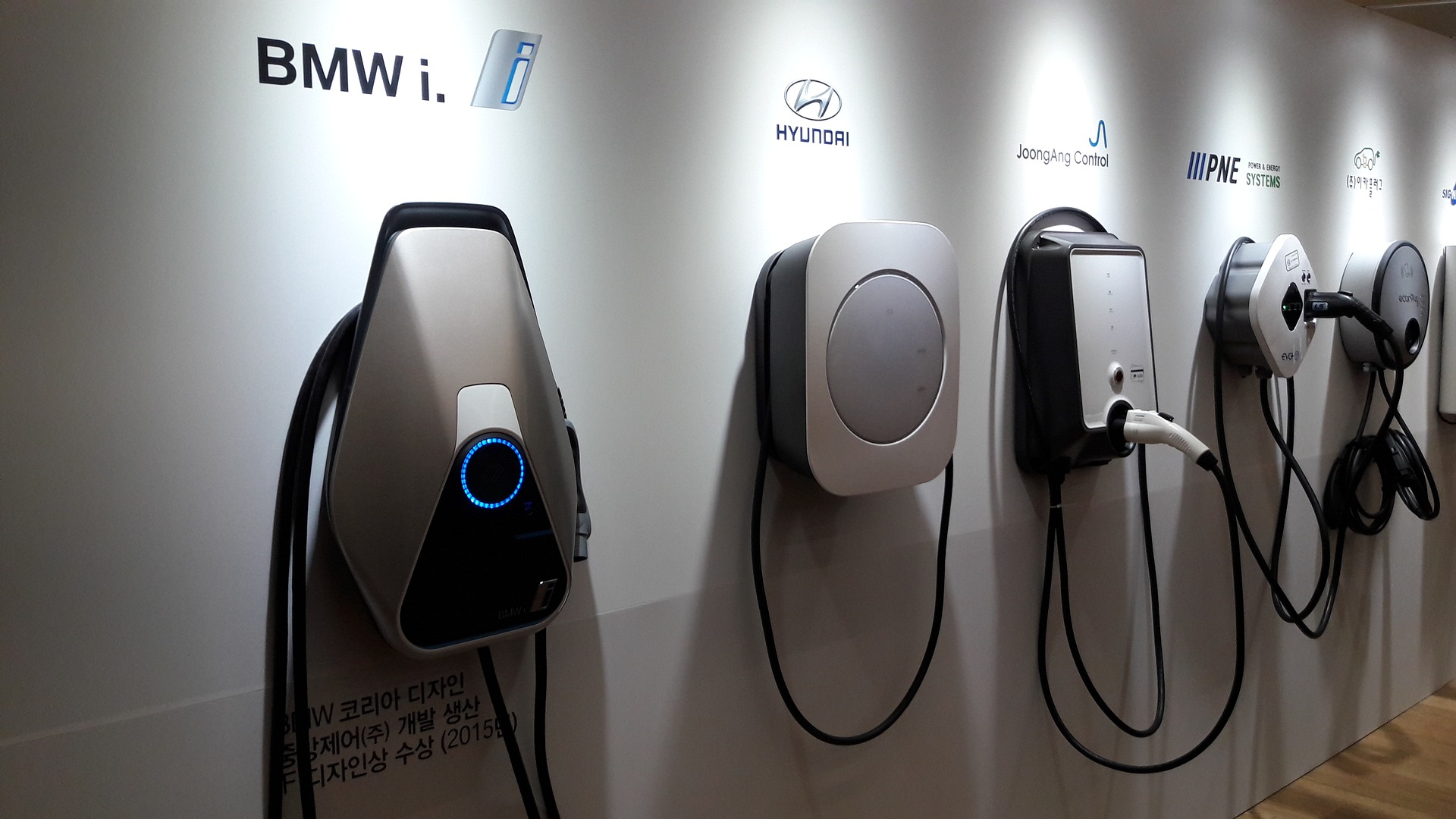
The charger itself comes in different power levels and connector types. For Bay Area homeowners, a Level 2 charger is the standard choice, delivering 3.3 to 7.2 kilowatts depending on the circuit. This provides enough range for daily driving without the long charge times of a Level 1 unit. The connector is typically a J1772, which works with most EVs, or a NACS connector for Teslas. Many newer chargers support both, but it is worth confirming compatibility before purchase.
Location matters more than many homeowners expect. The charger should be placed so the charging cable reaches the vehicle's charge port without stretching or draping across a walkway. For a garage installation, mounting the charger on a wall near the front of the parking space works well. For outdoor installations, the unit must be rated for wet locations and should be positioned under an eave or a dedicated cover to protect it from rain and direct sunlight. The cable length is also a factor: a 20-foot cable gives flexibility for different parking positions, while a shorter cable keeps the area tidy but limits placement options.
Installation timeline and what to expect on the day
Once the permit is issued and the equipment is on hand, the installation itself typically takes one to two days. The electrician starts by turning off power to the main panel and running the conduit from the panel to the charger location. This may involve drilling through floor joists, cutting drywall for access, and fishing wires through walls. After the conduit is in place, the electrician mounts the charger, connects the wiring, and installs the dedicated breaker in the panel. The final step is testing the circuit and the charger to verify proper operation.
After the work is done, the inspection follows. The city inspector checks the installation against the approved permit, looking at the breaker size, wire type, conduit support, grounding, and the presence of a required disconnect if the charger is more than a certain distance from the panel. If the inspector finds any issues, the electrician corrects them and schedules a re-inspection. Most installations pass on the first try, but it is good to leave a few days of buffer in the schedule.
For homeowners in San Jose, working with an experienced local electrician simplifies the entire process. A company like Wooding Electric handles the assessment, permit, installation, and inspection coordination, so the homeowner does not have to navigate each step alone. Their familiarity with Bay Area utility requirements and city codes helps avoid common pitfalls that can delay a project.
Long-term considerations and future-proofing
An EV charger installation is an investment in your home's electrical infrastructure. Even if you only have one EV today, planning for a second charger or a higher-power unit down the road can save money later. Running a larger conduit now, or installing a subpanel with extra capacity, adds little to the current cost but makes future expansion straightforward. Some homeowners choose to install a single charger with a load management system that can later be paired with a second unit, sharing the available capacity between two vehicles.
The charger's communication features are also worth considering. Many modern chargers offer Wi-Fi connectivity and app control, allowing you to schedule charging during off-peak hours when electricity rates are lower. This can reduce your charging cost without any extra effort. Some utilities in the Bay Area also offer demand response programs that provide a rebate if you allow them to pause your charger during peak grid events. These programs require a compatible charger and a stable internet connection at the installation site.
Finally, think about the charger's durability. Outdoor units need to withstand temperature swings, moisture, and UV exposure. Look for a model with a robust enclosure and a long warranty. Indoor units face less weather stress but still benefit from a well-ventilated location away from heat sources. The electrician can recommend models that fit your specific conditions and budget.
San Jose homeowners who take the time to understand the full scope of an EV charger project end up with a reliable, code-compliant installation that serves them for years. The process involves electrical planning, permitting, utility coordination, and careful placement, but each step is manageable with the right guidance. A professional installation ensures safety, efficiency, and peace of mind, letting you focus on the benefits of electric driving rather than the logistics of charging.